
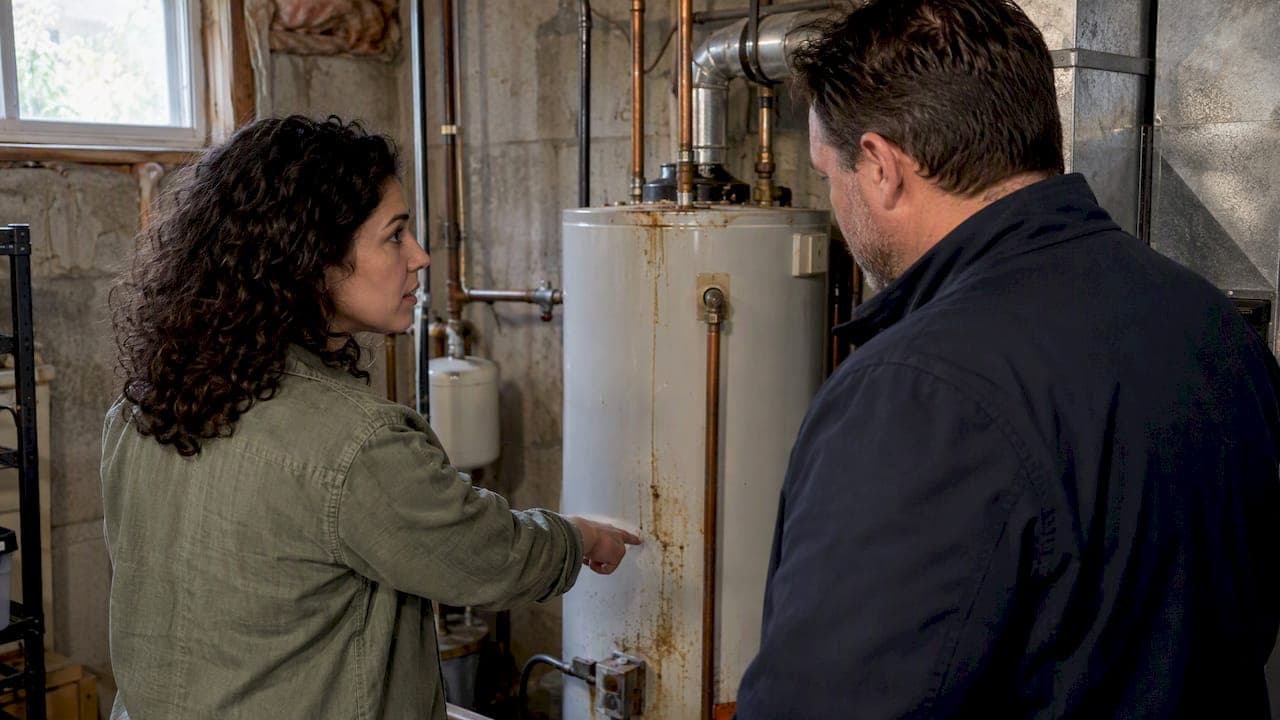
The moment you leave a showing, verify the seller's property disclosures, confirm or schedule your inspection contingency, and ask your agent about the home's offer status and timeline. These three actions protect your negotiating position and your deadlines. From there, use the CFPB, FEMA, and NAR guidance below, plus a tool like NestNoted, to keep every detail straight.
TL;DR:
- Confirm the home’s age for major systems and watch for hidden damages like water stains or recent paint cover-ups before making an offer.
- Review seller disclosures and permits carefully to identify unresolved code issues, especially for recent renovations or additions.
- Use flood maps and site-specific questions to assess flood risk and other hazards that could impact insurance costs and safety.
- Schedule inspections early and get contractor estimates for major repairs to strengthen negotiations and avoid losing leverage.
- Track deadlines on contingencies, schedule final walkthroughs promptly, and stay organized to maintain your negotiating power during closing.
Table of Contents
- 1. Questions to ask about condition, paperwork, and the deal itself
- 2. How to use inspection results to negotiate repairs
- 3. Checking flood risk and other site-specific hazards
- 4. Verification steps for remote and long-distance buyers
- 5. Confirming the real costs of owning this specific home
- 6. Managing your contingency windows and closing timeline
- 7. A simple capture habit that prevents buyer confusion
- Turning your post-tour notes into a clearer decision
- FAQ
- Sources
1. Questions to ask about condition, paperwork, and the deal itself
A good debrief after a tour covers four separate categories: the home's physical condition, its paperwork trail, what actually stays when you move in, and the signals that tell you how motivated the seller is. Mixing these together is how buyers forget to ask the one question that mattered.
Start with condition. Ask your agent or note down for yourself:
- How old are the roof, water heater, furnace, and AC unit?
- Did you notice any musty odors, water stains, or fresh paint that might hide damage?
- Are there visible cracks in the foundation, driveway, or interior walls?
Documentation questions matter just as much, since a seller's disclosure form is a legal statement about known defects, not a marketing document. Ask whether permits exist for any additions or renovated spaces, and request receipts or warranties for recent repairs like a new roof or water heater. A seller who cannot produce permits for a finished basement, for example, may be passing along unresolved code issues.
Transaction signals tell you how to approach an offer. Ask these directly:
- How many days has the home been on the market?
- Has the seller received other offers or requested a highest and best deadline?
- Why is the seller moving, and is their timeline flexible?
A home that has been on the market for a prolonged period with no other offers is a different negotiation than one that just recently listed. Sellers who are relocating for a job often want a fast close and may accept a lower price for certainty; sellers who have not yet found their next home may need a longer rent-back period.
Before you write an offer, confirm what stays. Ask specifically whether appliances, window treatments, mounted shelving, and any outdoor structures are included in the sale price, since these details can get lost between the listing description and the actual purchase contract. It is also worth asking whether a current survey exists and whether any easements or shared driveways affect the lot lines.
Finally, if the property has a homeowners association, ask about monthly or annual dues, whether a reserve study has been done recently, and whether any special assessments are planned. Request a copy of recent utility bills so you are not guessing at heating and cooling costs once you own the place. Our home tour checklist for buyers breaks these categories down further if you want a printable version to bring to your next showing.
2. How to use inspection results to negotiate repairs
If your purchase contract includes an inspection contingency, you generally have the right to cancel the sale without penalty if the results come back unsatisfactory, so scheduling the inspection early gives you room to negotiate before your contingency window closes, according to the Consumer Financial Protection Bureau. Waiting too long to book an inspector is one of the most common ways buyers lose leverage.
Inspectors typically evaluate the structure, roof, plumbing, electrical system, HVAC, and safety items, and buyers can use the resulting report to request repairs, a price reduction, or a seller-paid home warranty, according to the National Association of REALTORS®. Not every item on the report deserves equal attention.
- Big-ticket, structural items like the roof, foundation, and major systems justify renegotiation.
- Cosmetic issues like scuffed paint or a loose cabinet handle rarely do.
- A contractor estimate turns a vague concern into a number you can actually negotiate with.
Industry guidance also notes that inspections are emotionally charged for buyers but mostly informational, and the most effective response is to treat the report as a roadmap rather than a reason to walk away, focusing on solvable, costed problems, according to NAR. A guide to common repair requests from Blue Key Homebuyers walks through how buyers typically document and justify these asks.
Pro Tip: Get one contractor estimate on your biggest-ticket item before you submit your repair request. A single credible number moves a negotiation faster than a long list of small complaints.
3. Checking flood risk and other site-specific hazards
Flood risk is one of the easiest things to verify and one of the most commonly skipped. Use the FEMA Flood Map Service Center to search the property's address and see its official flood zone designation before you get too attached to the house.
Areas with a 1% or greater annual chance of flooding are classified as high-risk, and that status can affect mortgage insurance requirements and long-term costs significantly, according to FEMA. A property does not need to sit inside a mapped high-risk zone to carry flood exposure, either: insurance availability and pricing can still shift based on nearby waterways, drainage patterns, or recent claims history in the area.
Beyond flood maps, ask about a few other site-specific items while they are fresh in your mind:
- Has the home ever had a radon test, and what were the results?
- If there is a septic system, when was it last inspected or pumped?
- Has the seller ever filed a water intrusion or flood insurance claim on the property?
These questions take minutes to ask and can save you from a costly surprise after closing.
4. Verification steps for remote and long-distance buyers
If you toured virtually or flew in for a single rushed visit, you need your agent to fill in the gaps a live walkthrough would have caught. Ask for these specific items before you move forward:
- Request a recorded post-tour walkthrough with close-up footage of each room, not just a wide pan.
- Ask for a floor plan along with ceiling height and doorway width measurements if furniture fit is a concern.
- Request separate street-level video shot during the day and again in the evening to catch noise, lighting, and traffic patterns that a single showing time won't reveal.
- Coordinate with a local inspector, appraiser, or trusted contact who can walk the property in person if anything in the footage raises a question.
Recorded walkthroughs also give you something to share with a partner, parent, or co-buyer who was not on the call, which matters when a purchase decision involves more than one person. Our guide on long-distance house hunting covers the full set of tactics remote buyers use to compensate for not being in the room.
5. Confirming the real costs of owning this specific home
The list price is only part of the math. Before you move forward, ask the seller or your agent for recent utility bills so you can estimate monthly heating, cooling, and water costs rather than guessing from square footage alone. Request the current property tax bill as well, since tax amounts can change after a sale depending on local reassessment rules.
- Ask whether the home qualifies for standard homeowners insurance or whether it will need separate flood or wind endorsements.
- Confirm HOA dues, the health of the reserve fund, and whether any special assessments are planned or pending.
- Estimate near-term costs for aging components like an old roof or an HVAC system nearing the end of its typical lifespan.
None of these numbers show up on the listing page, but each one changes what the home actually costs you to own.
6. Managing your contingency windows and closing timeline
Once you are under contract, deadlines start working against you if you let them. Here is the sequence to track:
- Confirm your inspection, financing, and appraisal contingency windows the day you sign, and calendar each deadline immediately.
- Track escrow milestones as they happen: the appraisal, the title review, and lender underwriting all need to clear before closing.
- Deliver your earnest money on time, since a missed deadline can weaken your position or even void your contract protections.
- Schedule your final walkthrough close to closing day, ideally within 24 to 48 hours.
- If you are closing remotely, confirm notarization requirements, have your ID ready, and verify wire instructions directly with your title company by phone before sending any funds.
Acting quickly at each step preserves the leverage your contingencies give you.
7. A simple capture habit that prevents buyer confusion

After touring four or five homes in a weekend, they start to blur together. The habit I recommend is recording a private 30 to 60 second summary right after you leave each showing: what stood out, three pros, three cons, and a quick 1 to 5 star gut rating before you forget the details.
That small habit pays off later, when you are comparing two finalists and need to remember which one had the cracked driveway and which one had the better kitchen layout. It also sharpens your negotiating position, because you can point to specific, recorded concerns instead of a vague impression. NestNoted's AI tour summary feature is one way to build this habit without relying on scattered notes app entries or text messages to yourself.
— Antony
Turning your post-tour notes into a clearer decision
Once you have asked the right questions, the harder part is remembering the answers three homes later. NestNoted gives you a private space to log your impressions, ratings, and offer notes on every property you tour, so nothing gets lost between showings.

The tool syncs listings from sites like Zillow and Redfin automatically, so you are not retyping addresses and square footage by hand. From there you can pull up side-by-side comparisons of your top contenders, keep an AI-generated summary of each tour for quick reference, and share a workspace with your partner or agent when you need a second opinion. Every note stays private by default, which means you can write down an honest "the kitchen felt small" without worrying who sees it.
- Private captures keep your real impressions separate from what you tell the seller's agent.
- Side-by-side comparisons make it easy to spot which home actually wins on the details that matter to you.
- Synced listings and AI summaries save you from retyping information you already have.
If you are touring more than one or two homes this month, set up a free workspace at NestNoted and start logging your notes right after your next showing.
FAQ
What are good questions to ask when touring a home?
Ask about the age of major systems like the roof, HVAC, and water heater, whether there is any history of water damage, and how long the home has been on the market. You should also confirm what stays with the sale, such as appliances and fixtures, and ask directly why the seller is moving.
What is reasonable to ask for after a home inspection?
It is reasonable to request repairs, a price credit, or a seller-paid home warranty for significant issues involving the roof, foundation, or major systems, according to NAR. Cosmetic items like paint touch-ups are generally not worth negotiating over, since sellers are far more likely to address costed, big-ticket problems.
What is the 3-3-3 rule in real estate?
Definitions of this rule vary by source and region, so there is no single agreed-upon standard. If you hear it referenced by an agent, ask them to define exactly what it means in your local market before treating it as a universal guideline.
What is the hardest month to sell a house?
Seasonal market conditions shift by region and year, and this article does not have a sourced figure identifying a specific hardest month. Ask your agent for local days-on-market trends if seasonal timing is a concern for your purchase or sale.
Sources
- FEMA — Know Your Risk: Flood maps for homeowners
- Consumer guide: Home inspections | National Association of REALTORS®