
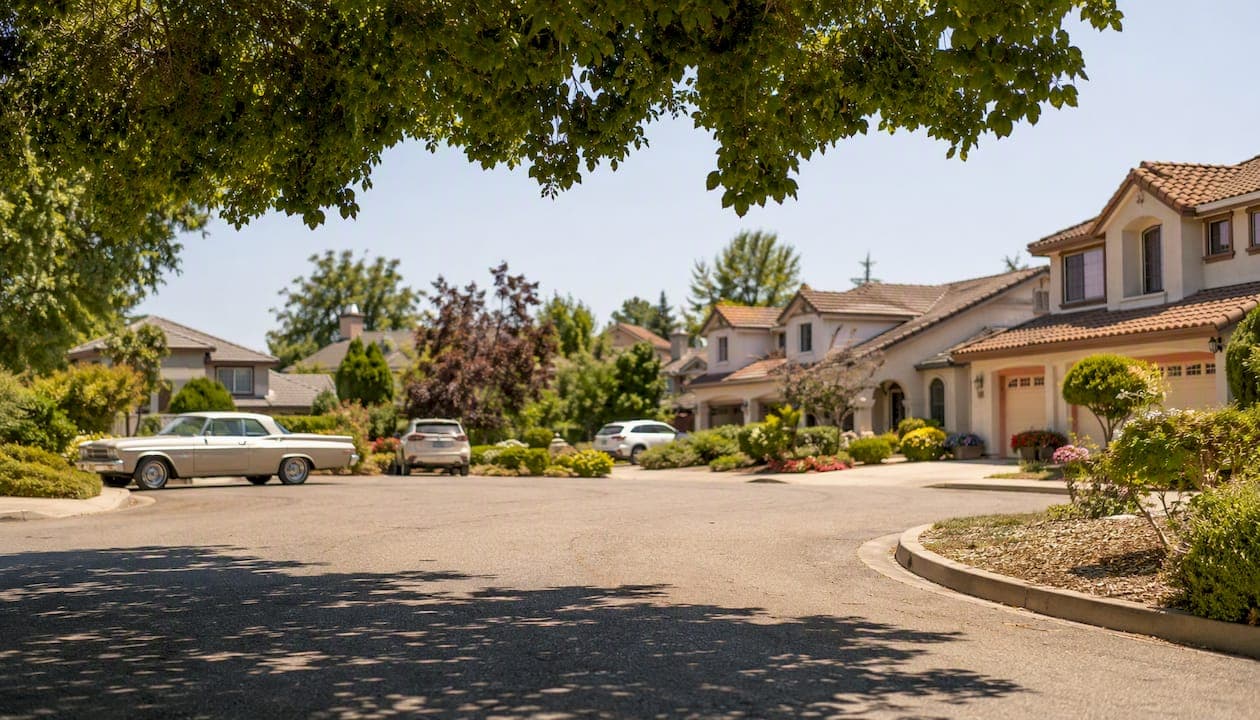
A cul-de-sac is often a net positive for buyers who value low traffic and neighborly streets, but it creates real trade-offs in access, parking, and walkability that can become daily frustrations depending on your household.
- Buy here if: you have young kids, pets, or simply want a quieter street with a tighter neighbor community.
- Hesitate if: you host often, depend on reliable snow removal, or need easy access for frequent deliveries and service vehicles.
The sections below walk through every major advantage and drawback, a practical buyer checklist, mitigation steps, and a workflow for documenting what you actually observe during a tour.
Key Takeaways
A cul-de-sac is a strong fit for families and quiet-seekers, but access, parking, and walkability trade-offs require verification before you pay any premium.
| Point | Details |
|---|---|
| Traffic and safety benefits are real | Reduced through-traffic and informal play space are daily advantages for households with children or pets. |
| Access problems are the biggest risk | Garbage, snow removal, and emergency vehicles can face delays; always ask neighbors about past service incidents. |
| Value premium is market-dependent | Cul-de-sac homes often sell at a premium in family-oriented suburban markets, but verify with recent comps and days-on-market data. |
| Checklist before you offer | Confirm plow priority, turnaround width, parking capacity, and neighbor dynamics during a visit, not after closing. |
| Nestnoted for tour documentation | Use Nestnoted's private notes and side-by-side comparisons to log street-level observations and compare cul-de-sac listings without losing detail. |
Table of Contents
- What exactly is a cul-de-sac, and what layouts will you find?
- The real advantages of living on a cul-de-sac
- The real drawbacks of living on a cul-de-sac
- How a cul-de-sac affects home value and resale
- Is a cul-de-sac right for you? A practical buyer's checklist
- How to reduce the downsides after you move in
- A Nestnoted workflow to evaluate cul-de-sac properties during tours
- When I recommend a cul-de-sac and when I advise caution
- Nestnoted helps you track cul-de-sac homes without losing the details
- Sources
What exactly is a cul-de-sac, and what layouts will you find?
In U.S. real estate, a cul-de-sac is a dead-end street with a widened turnaround at the closed end. The term comes from French ("bottom of the bag"), but American planners and agents use it to describe any residential street that doesn't connect through to another road. You'll see it labeled on maps and listing sites as a dead-end, court, or place.
The four layouts you're most likely to encounter:
- Standard dead-end with circular turnaround. The classic. A single entry road opens into a round or oval bulb. Most suburban cul-de-sacs built between the 1960s and 1990s follow this pattern.
- Hammerhead (T-shaped turnaround). Common in tighter lots or hillside developments where a full circle isn't feasible. The street ends in a T-shape that lets vehicles reverse and exit. Emergency vehicles can use it, but it's tighter than a full bulb.
- Small loop. A short loop road that begins and ends on the same through street. Technically not a dead-end, but it functions like one because through traffic has no reason to use it.
- Permeable cul-de-sac with pedestrian path. A dead-end for cars that connects to a walking or cycling path at the closed end. Urban designers at CNU note this variant partially solves the walkability problem by letting residents reach nearby streets on foot without driving.
Municipal signage matters here. A street signed "Court" or "Place" almost always indicates a dead-end, which affects how garbage trucks route, whether snowplows prioritize it, and how delivery drivers navigate. Check the street type on Google Maps or your county's GIS portal before you tour.
The real advantages of living on a cul-de-sac
1. Dramatically less through traffic
The closed end means the only cars on the street belong to residents, their guests, or the occasional delivery driver who took a wrong turn. Research summarized by Wikipedia's dead-end street entry confirms that cul-de-sacs reduce local vehicle traffic volumes and lower noise and pollution at the street level. For a family whose previous home sat on a cut-through road, the difference is immediate.
Who benefits most: families with young children, pet owners, and anyone who works from home and values a quieter environment during the day.
2. Child and pet safety
Fewer cars moving at lower speeds means kids can ride bikes and play in the turnaround without constant supervision. Consumer reporting at Apartment Therapy consistently lists child-friendly play space as the top reason families seek out cul-de-sac homes. The turnaround itself often becomes an informal play area, which is something no through street can replicate.

Who benefits most: households with children under 12 and dog owners who want a low-risk space for off-leash moments.
3. Quieter streets and lower noise
Less traffic means less tire noise, fewer headlights sweeping across bedroom windows at night, and fewer exhaust fumes drifting through open windows. This is a genuine quality-of-life difference, not just a marketing talking point. The Wharton Zell/Lurie Real Estate Center's analysis acknowledges quiet as one of the documented advantages, alongside lower ecological disturbance in residential areas.
4. Stronger neighbor community
This one surprised researchers. Bloomberg's field reporting found that cul-de-sac residents were significantly more likely to watch each other's children, coordinate chores, and treat the shared turnaround as a social space. Neighbors on through streets simply don't interact the same way. The physical design pulls people together. That said, the same visibility that builds community can feel like over-surveillance to residents who prefer privacy, so it cuts both ways.
Who benefits most: buyers who want to know their neighbors, families with young kids, and retirees who value a watchful community.
5. Curb appeal and potential value premium
Homes at the end of a cul-de-sac often have pie-shaped lots that are wider at the back, giving more usable yard space than a rectangular lot on a through street. The visual effect of a home sitting at the head of the bulb also tends to read as more prominent. Real estate agent commentary notes that cul-de-sac homes can command a price premium in many markets, though the size of that premium varies by local demand and scarcity.
Pro Tip: During your tour, stand at the street entry and count how many cars are parked in the turnaround. More than two or three on a weekday afternoon suggests parking is already a problem, which undercuts both the safety benefit and the curb appeal.
The real drawbacks of living on a cul-de-sac
1. Parking gets complicated fast
The turnaround is designed for vehicles to reverse, not to park. When residents and guests fill it up, the circle becomes a bottleneck. Hosting a birthday party or a holiday gathering can mean cars blocking driveways and neighbors unable to get out. RISMedia's buyer guidance flags parking as one of the most common complaints from cul-de-sac homeowners, especially on streets with narrower bulbs.
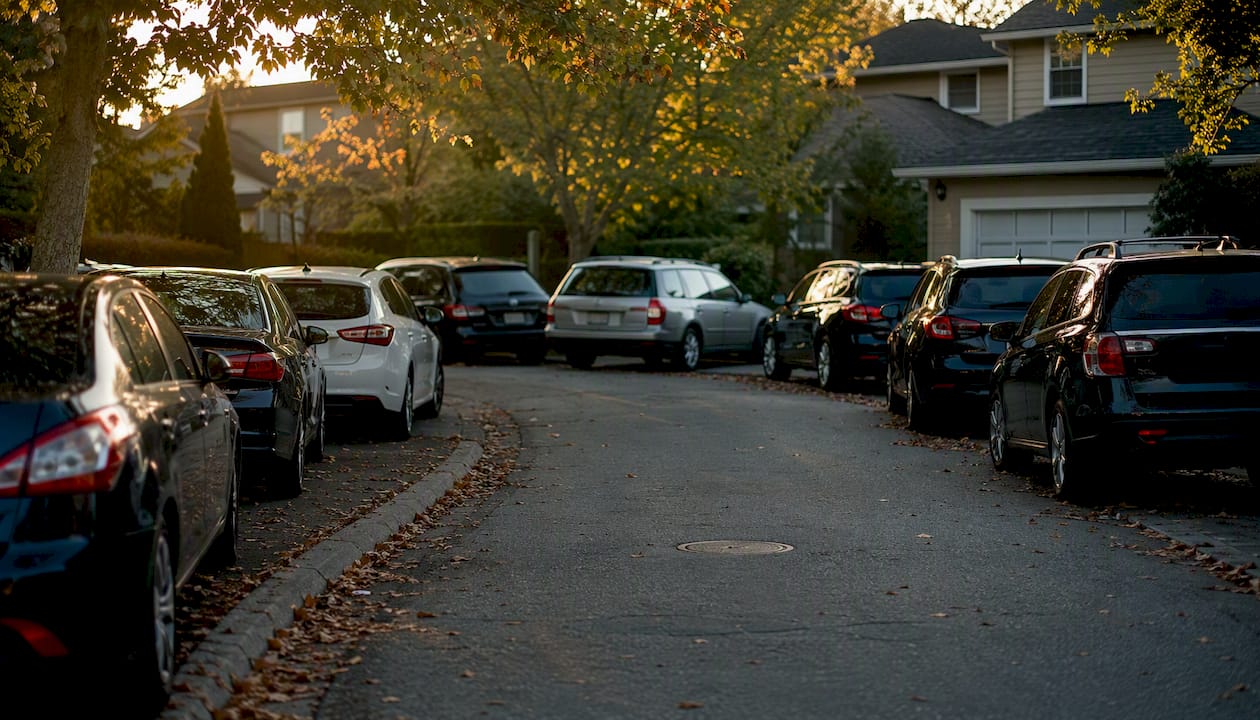
Severity: minor annoyance on most days, genuine dealbreaker if you host regularly or have multiple drivers in the household.
2. Emergency vehicle and service access
A standard circular turnaround can accommodate a fire truck or ambulance, but a hammerhead layout is tighter, and a narrow or partially blocked bulb can slow response times. Garbage trucks, recycling vehicles, and large delivery trucks sometimes can't complete the turn and must back out, which adds time and occasionally leads to missed pickups.
Red flag to ask about: Ask neighbors directly whether garbage trucks have ever skipped the street, whether large delivery vehicles (think furniture or appliance trucks) have had trouble turning around, and whether the fire department has ever flagged access concerns. One or two incidents are normal; a pattern is a warning sign.
Severity: low on well-designed streets, potentially serious on hammerheads or streets with chronic parking in the bulb.
3. Snow removal is often last priority
Municipalities typically plow main roads first, collector streets second, and dead-ends last. On a heavy snow day, a cul-de-sac can sit unplowed for hours after the surrounding streets are clear. The turnaround itself is also harder to plow cleanly because the driver has to make multiple passes. Apartment Therapy's consumer reporting cites snow removal as a recurring frustration in colder climates.
Severity: minor in mild climates, a real operational problem in the Midwest, Northeast, and Mountain West.
4. Walkability and longer short trips
Getting anywhere on foot usually means walking back out the single entry road. There's no shortcut to the next street over unless the cul-de-sac has a pedestrian path. CNU's planning analysis and Wharton's academic review both flag reduced walkability and increased auto-dependency as consistent criticisms of dead-end street design. If you want to walk to a coffee shop or a park, you may be adding five to ten minutes each way just to exit the street.
Severity: low for car-dependent households, significant for buyers who prioritize walkable neighborhoods or are reducing car use.
5. Neighbor friction is harder to escape
The same tight community that feels warm can turn tense if one household is difficult. On a through street, a bad neighbor is one of many. On a cul-de-sac, they're one of six, and you share the turnaround. Disputes over parking, noise, or kids playing in the street have nowhere to diffuse. Wikipedia's dead-end street entry notes mixed findings on social outcomes, and the Bloomberg field research acknowledges that the high visibility cuts both ways.
Severity: low if you vet the street carefully, potentially a persistent problem if you skip that step.
How a cul-de-sac affects home value and resale
The short answer: a premium often exists, but it's not guaranteed and it's not uniform. Agent and market commentary consistently reports that cul-de-sac homes sell for more than comparable homes on through streets in family-oriented suburban markets, largely because the buyer pool for those homes actively seeks the safety and quiet features. In dense urban markets or areas where walkability scores heavily, the premium can shrink or disappear.
To validate whether a premium applies in your target neighborhood:
- Pull recent comps on the same street. Ask your agent to run sales from the past 12 months on that specific cul-de-sac and compare them to similar homes on nearby through streets. Look at price per square foot, not just sale price, since lot shapes differ.
- Check days on market. A cul-de-sac home that sat for 90 days while comparable through-street homes sold in 30 is a signal the premium is priced in too aggressively, or that the buyer pool is narrower than the seller assumes.
- Ask your agent about adjustment lines. Appraisers sometimes make positive adjustments for cul-de-sac location in suburban markets. If your agent has seen that in recent appraisals locally, it's a real data point. If they haven't, don't pay for a premium that the market doesn't support.
- Consider your exit buyer. A cul-de-sac home appeals strongly to families with young children. If the neighborhood is aging or the school district is declining, that buyer pool shrinks, and so does the premium at resale.
For a broader framework on comparing housing types and buyer priorities, the condo vs. house buyer guide covers how location type factors into long-term value decisions.
Is a cul-de-sac right for you? A practical buyer's checklist
Run through this before making an offer:
- Young children or pets at home? A cul-de-sac is likely a strong fit. The reduced traffic and informal play space are genuine daily benefits.
- Elderly household members? Check the turnaround width and confirm emergency vehicle access. A hammerhead layout on a street with chronic parking is a real safety concern.
- Remote worker or home-based business? The quiet is a plus. Confirm delivery access for regular packages and freight before assuming it's seamless.
- Frequent host? Count available parking on a typical evening. If the bulb holds four cars and you regularly have eight guests, you'll be managing parking complaints from day one.
- Car-light or walkability-focused household? Check whether the cul-de-sac has a pedestrian path at the closed end. Without one, you're adding distance to every on-foot errand.
- Located in a snowy climate? Ask the seller and neighbors directly: what is the municipal plow priority for this street, and has it ever been skipped or significantly delayed? Confirm whether residents have a private plow arrangement.
Questions to ask sellers, neighbors, and the HOA:
- What day does trash pickup happen, and does the truck enter the bulb or stop at the entry?
- Has the street ever been missed by the snowplow during a major storm?
- Are there any guest parking rules or informal agreements among residents?
- Has there ever been a dispute about turnaround use or parking?
- Have emergency vehicles ever had trouble accessing the street?
Red flags during a tour:
- Three or more cars parked in the turnaround on a weekday morning
- A hammerhead layout with cars parked on both sides of the stem
- Visible tire damage to lawn edges (a sign trucks are struggling to turn)
- Neighbors who are reluctant to answer basic questions about the street
For a structured side-by-side comparison checklist that covers location factors like these alongside interior features, that resource pairs well with this checklist.
How to reduce the downsides after you move in
Most cul-de-sac problems are manageable with a little coordination. Here's what actually works:
- Set up a guest parking system early. Before your first gathering, walk the street and identify which driveways can double-stack and how many cars the bulb realistically holds without blocking turnaround access. Share that count with guests in advance.
- Propose a snow-removal cost-share with neighbors. A private plow contract split among four to six households is often cheaper per home than individual contracts and gets the street cleared faster than waiting for the municipality. Bring it up at a casual introduction, not a formal meeting.
- Coordinate trash placement. If the garbage truck stops at the street entry rather than entering the bulb, residents placing bins at the entry the night before eliminates the "did they skip us?" problem entirely.
- Document turnaround rules in writing. If the HOA doesn't already have a turnaround parking policy, propose one. Even an informal written agreement among residents reduces friction when someone's contractor parks in the bulb for a week.
- Request pedestrian permeability from the municipality or HOA. If the closed end of your street backs up to a park, school, or commercial area, a formal pedestrian path request to your city's planning department or HOA board can meaningfully improve walkability. HUD's housing policy resources can point you toward local programs that support neighborhood connectivity improvements.
Pro Tip: When proposing a neighbor agreement, frame it around convenience rather than rules. "I was thinking we could all save money on plowing" lands better than "we need a policy." Cul-de-sac communities respond well to shared-benefit framing.
A Nestnoted workflow to evaluate cul-de-sac properties during tours
Street-level details are exactly the kind of thing that blurs together after you've toured a dozen homes. Nestnoted is built to capture and organize those impressions privately, so you can compare them later without relying on memory or a messy notes app.
Key features that apply directly to cul-de-sac evaluation:
- Private notes by property: log turnaround width, parking count, neighbor interactions, and any red flags without those observations being visible to the seller or their agent.
- Side-by-side comparisons: place two cul-de-sac listings next to each other and compare your street-level ratings alongside interior features.
- Photo annotations: attach a photo of the turnaround or the street entry and add a note directly to the image.
- Shared agent workspaces: share your documented observations with your buyer's agent so they can follow up on specific questions with the listing agent.
A practical tour workflow:
- Before you arrive, open Nestnoted and create a property entry. Note the street type (cul-de-sac, hammerhead, loop) from the listing or map.
- On arrival, count parked cars in the bulb and note the time of day. Rate turnaround width on a simple 1–5 scale.
- Walk the perimeter. Note whether a pedestrian path exists at the closed end. Photograph the entry and the bulb.
- If you speak to a neighbor, log their response to one or two questions from the checklist above. Even a one-line note ("neighbor said plow comes last, sometimes next day") is useful when you're comparing three similar properties a week later.
- Back in the car, rate the street overall and flag any red flags for follow-up.
Pro Tip: Use a consistent rating label across every cul-de-sac you tour, such as "street access: 1–5." Nestnoted's side-by-side view makes that comparison instant when you're deciding between two finalists. A home comparison chart framework can help you set up those rating categories before your first tour.
When I recommend a cul-de-sac and when I advise caution
The conventional wisdom treats cul-de-sacs as a straightforward family-friendly upgrade. My read is more conditional than that.
For households with young children or dogs, the safety and community benefits are real and daily. The Bloomberg field research showing neighbors watching each other's kids and coordinating informally isn't a soft social benefit — it's a functional one that reduces parental stress in a measurable way. For those buyers, a well-designed cul-de-sac with a full circular bulb and good municipal service access is worth a modest premium.
Where I'd pump the brakes: hammerhead layouts in cold climates, any cul-de-sac where the turnaround is already chronically parked up, and streets where the neighbor dynamic feels guarded or tense during a visit. The Wharton analysis is right that design modifications can fuse grid and cul-de-sac advantages, but most buyers aren't choosing between design philosophies — they're choosing between specific streets. Validate the actual street conditions in person, check recent comps with your agent, and don't pay a premium based on the category alone.
The one question I'd ask every time: "Has this street ever had a service access problem?" The answer tells you more than the layout does.
Nestnoted helps you track cul-de-sac homes without losing the details
Touring multiple cul-de-sac properties means tracking a lot of street-level specifics — turnaround width, parking counts, neighbor impressions, plow priority — on top of everything else you're evaluating inside the home. Nestnoted gives you a private, organized place to log all of it.

Every note you add stays confidential by default, so you can be candid about red flags without worrying about what the seller sees. The side-by-side comparison view lets you place two finalists next to each other and compare your street ratings alongside interior features, price, and offer history. You can sync listings directly from Zillow or Redfin, attach photos from your tour, and share a workspace with your agent so follow-up questions don't fall through the cracks.
If you're actively touring homes and want a system that keeps your cul-de-sac observations organized and comparable, start your free Nestnoted account and set up your first property entry before your next showing.
Sources
The following sources informed this article. Each covers a distinct angle on cul-de-sac living that's worth reading directly if you want to go deeper.
- The Case for Cul-de-Sacs — Bloomberg
- The advantages of the cul-de-sac | CNU
- Reconsidering the cul-de-sac — Zell/Lurie Real Estate Center (Wharton)
- Dead-end street — Wikipedia
- Pros and cons of living on a cul-de-sac — Apartment Therapy
- Things You Will Love and Hate About Living on a Cul-De-Sac — John L. Scott Ballard blog
- Pros and cons of choosing a house on a cul-de-sac — RISMedia
- Hud