

A good open house tracker is the difference between confident offers and second-guessing yourself at midnight. At its core, it's a system for capturing everything that matters during a property visit: structural observations, photos, neighborhood impressions, and your gut reactions, all organized so you can compare homes objectively later. Experienced agents consistently recommend treating every open house as a data collection event rather than a casual stroll through someone else's living room. The buyers who make the best decisions aren't the ones with the best instincts. They're the ones with the best notes.
Here's what a solid tracking system captures:
- Property condition: structural integrity, plumbing, electrical, HVAC age and condition
- Features and amenities: storage, natural light, room sizes, appliances
- Neighborhood observations: noise levels, traffic, nearby schools and parks
- Photos and videos: visual documentation linked to written notes
- Personal ratings: a simple 1–5 scale per property for quick comparison
- Questions and red flags: anything you need to follow up on with your agent
How to track open houses effectively
Preparation is what separates a productive visit from a forgettable one. Buyers typically spend 20–30 minutes at an open house, though larger homes or properties with visible issues warrant more time. That window goes fast if you arrive without a plan.
What to bring:
- Smartphone or camera for photos and video (always ask the listing agent for permission first)
- Measuring tape to check whether your furniture actually fits
- A pre-made checklist covering structural, mechanical, and lifestyle criteria
- Notebook or a notes app for impressions you want to record immediately
What to inspect systematically:
- Structural integrity: cracks in walls, sagging ceilings, uneven floors, water stains
- Plumbing: test faucets and toilets, check under sinks for moisture
- Electrical: flip switches, examine the panel for modern circuit breakers
- Storage: open every closet and cabinet, not just the ones on display
- Noise and neighborhood: step outside, listen, and note traffic or construction nearby
Taking notes and photos openly also tends to build trust with listing agents. Agents appreciate buyers who document their visits because it signals genuine interest and often leads to more candid conversations about the property's history and condition.
Pro Tip: Treat every open house like a job interview for the property. You're evaluating it, not auditioning for it. Write down the first thing that bothers you the moment you notice it, before the staged furniture and fresh paint distract you.
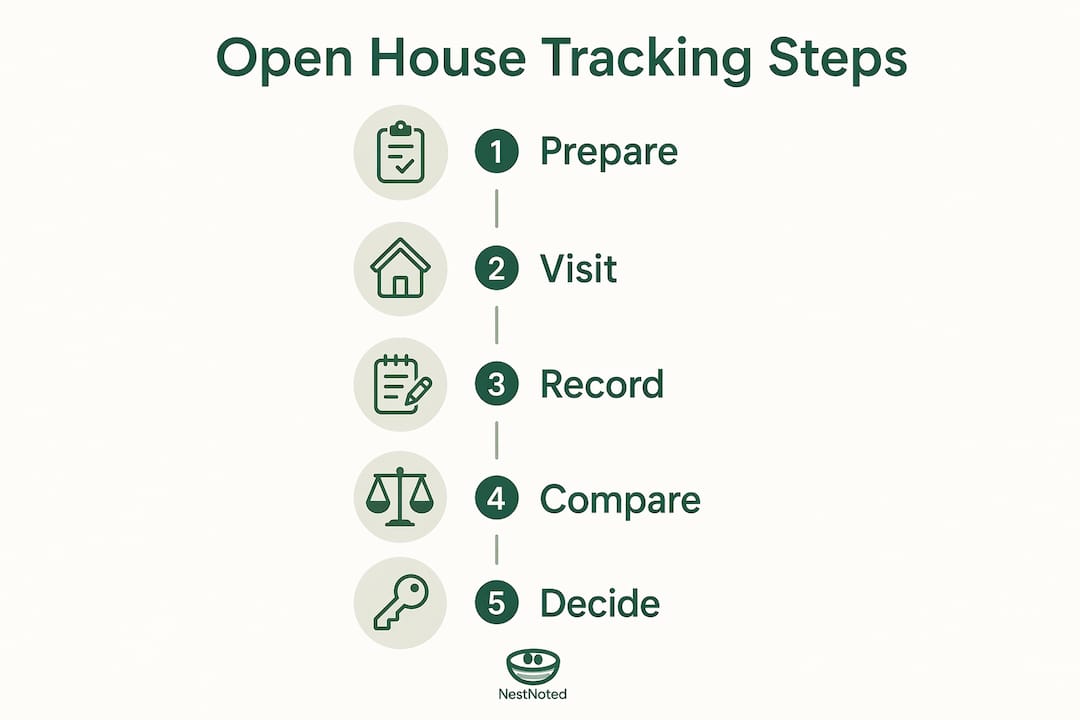
How do you organize and compare open house data?
Collecting notes is only half the job. Without a system to organize them, you'll end up with a phone full of blurry photos and a notebook you can't decode three weeks later.
Steps to manage your open house log effectively:
- Consolidate immediately after each visit. Transfer notes, photos, and ratings into a single record per property while details are fresh.
- Weight your criteria. Decide in advance what matters most: commute time, school district, storage, yard size. Score each property against those priorities, not just your overall impression.
- Use side-by-side comparisons. A simple rating scale (1–5 per category) lets you compare six homes at a glance without re-reading every note.
- Update as conditions change. Market conditions and personal priorities shift during a search. A home that scored a 3 in january may look very different after you've seen twenty more properties.
- Schedule weekly review sessions. Sit down with your partner or agent once a week to refine your shortlist and decide which properties warrant a second showing.
The goal isn't a perfect spreadsheet. It's a system you'll actually use consistently, one that makes your next conversation with your agent more specific and your next offer more grounded.
How Nestnoted helps serious buyers stay organized and private
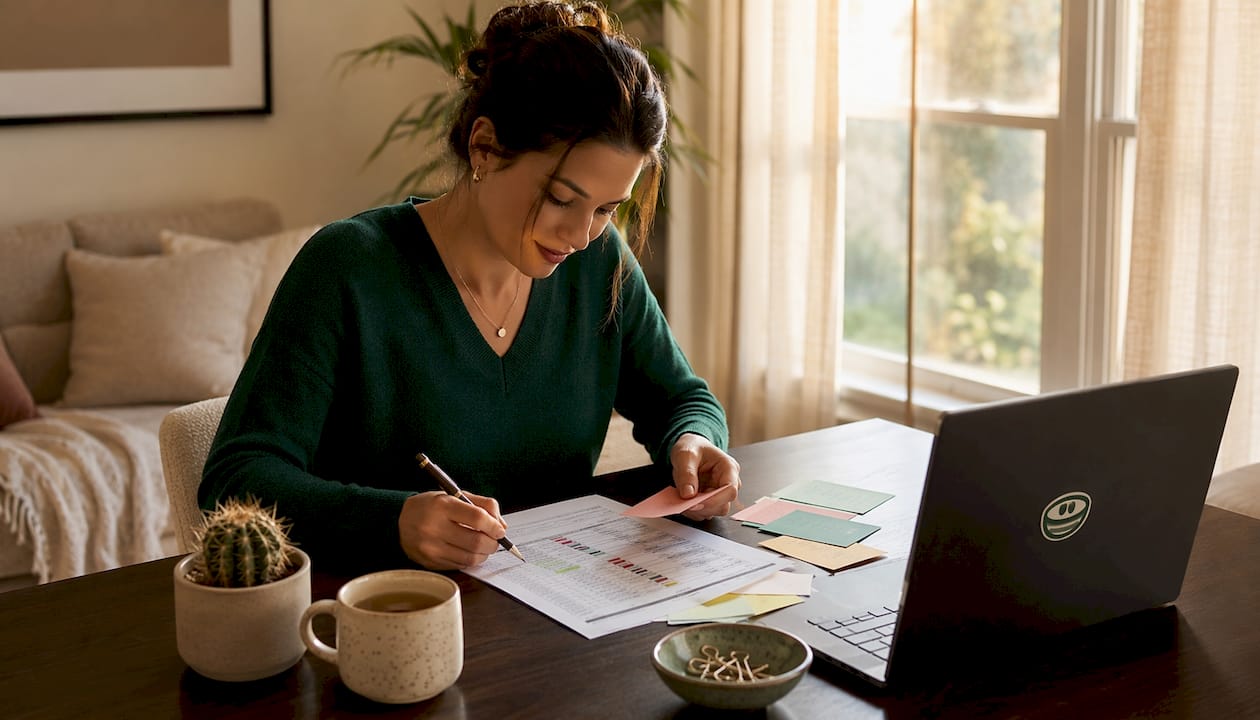
Most buyers cobble together a mix of screenshots, text threads, and shared spreadsheets. It works until it doesn't, usually right when you need to move fast on a property.
Nestnoted is built specifically for this problem. It gives buyers a private, organized platform to track listings, document impressions, log pros and cons, and manage offers, all in one place. Every note is confidential by default, which matters more than it sounds. When you know your observations are private, you write the honest ones: the weird smell in the basement, the neighbor's overgrown fence, the kitchen that photographs beautifully but feels cramped in person.
Key features buyers use most:
- Listing sync: pulls property data from major platforms so you're not manually entering addresses and specs
- Private notes and ratings: candid impressions that stay between you and your agent
- Side-by-side comparison: view multiple properties against your criteria simultaneously
- Price drop alerts: get notified when a property you've tracked changes in price
- AI assistant: query your own notes to surface patterns or forgotten details across properties
- Shared workspace: coordinate with a partner or buyer's agent without losing version control
- Property pipeline: maintain a running view of where each property stands in your decision process
The privacy-first design is what sets Nestnoted apart from generic note-taking apps or shared spreadsheets. Candid notes lead to better decisions, and better decisions lead to offers you feel good about.
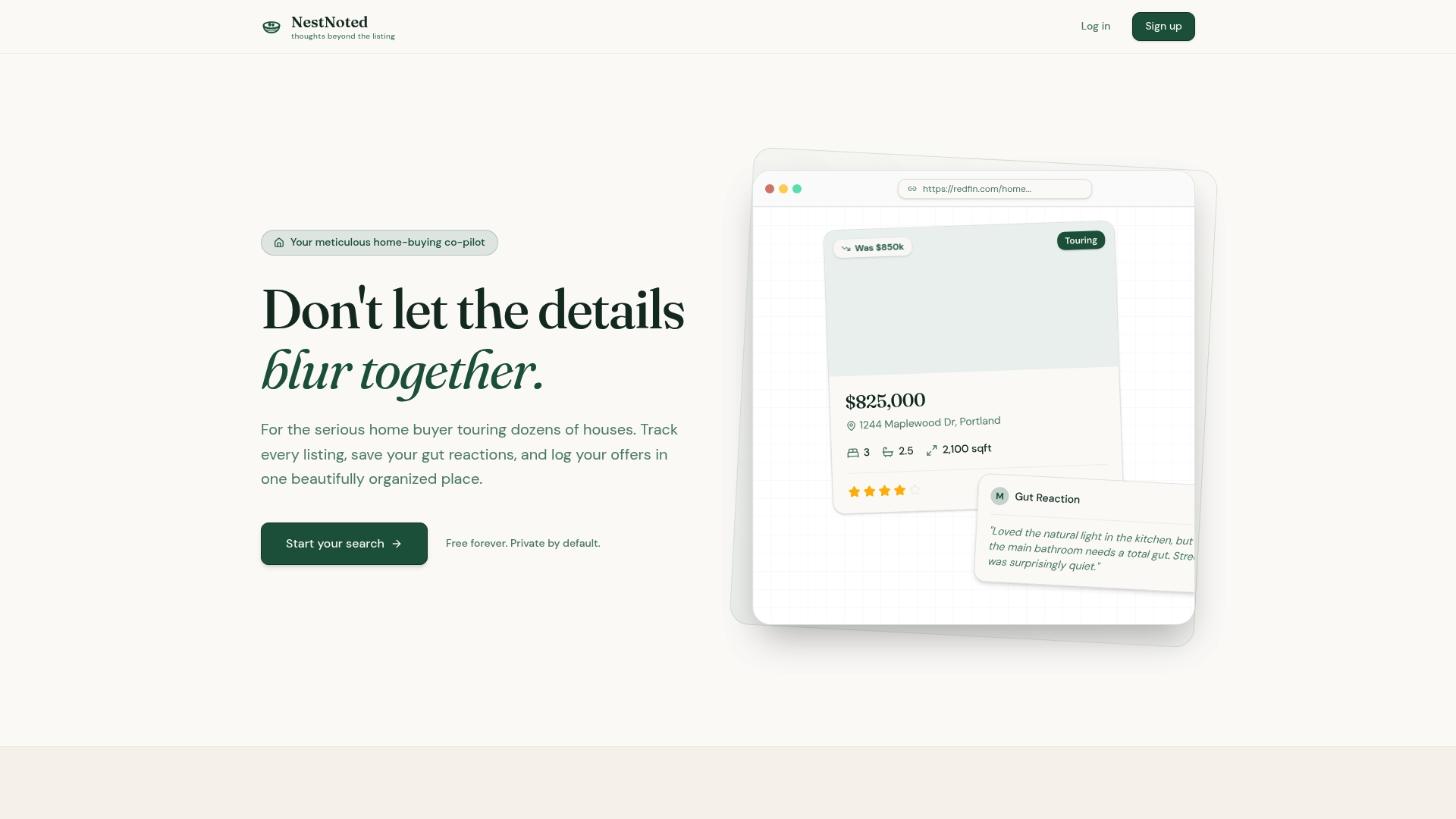
Ready to stop losing track of properties you loved? Start tracking with Nestnoted and bring structure to your home search from day one.
How to fit open house tracking into your broader home search
A tracker only works if it connects to the rest of your process. Isolated notes that never inform your agent conversations or offer strategy are just a diary.
Practical ways to integrate tracking into your workflow:
- Share your notes with your agent before private showings. Your documented observations from the open house give your agent specific questions to raise with the listing agent, which often surfaces information that never makes it into the MLS.
- Link your tracker to your budget and timeline. Note the asking price, your estimated renovation costs, and your mortgage pre-approval ceiling for each property. Comparing homes without financial context leads to wishful thinking.
- Follow up within 24 hours. Impressions fade fast. Rate each property the same evening and flag any that need a second visit before the market moves.
- Archive properties that fall out of contention. Don't delete them. A home you passed on in march might come back to market at a lower price, and your original notes will save you a repeat visit.
- Balance data with instinct. A property that scores well on paper but feels wrong in person is still worth questioning. Your tracker should inform your decision, not override your judgment.
Pro Tip: After every open house, write one sentence about what you'd tell a friend about the property. That single sentence often captures what a rating scale misses, and it's the thing you'll remember six weeks later when you're deciding between your top two.
Coordinating your tracking with your agent's feedback and understanding the seller representation agreement in your market helps you interpret what you're seeing and negotiate from a more informed position.
Key Takeaways
A structured open house tracker turns scattered impressions into a clear, comparable record that supports confident, well-timed offers.
| Point | Details |
|---|---|
| Spend enough time per visit | Most buyers spend about 20–30 minutes per open house, with more time recommended for larger or complex properties to ensure all key issues are inspected. |
| Bring the right tools | A checklist, measuring tape, and smartphone cover the basics every serious buyer needs. |
| Capture photos with notes | Visual documentation linked to written observations improves recall and comparison accuracy. |
| Update your tracker regularly | Preferences and market conditions shift; outdated records lead to misaligned priorities. |
| Use a private platform | Confidential notes like those in Nestnoted encourage honest observations that generic apps don't protect. |